Fewer crowds, olive oil and empty beaches: the usual autumn pitch for Puglia isn’t wrong, exactly. It just leaves out the part where the season changes what the region actually offers, not simply how many people are here.
There is a particular point in the year when Puglia stops feeling like summer, and it’s one of the most obvious turns our region makes. We greet the changing season with a little melancholy, a little relief – and the knowledge that it is coming whether we’re ready or not.
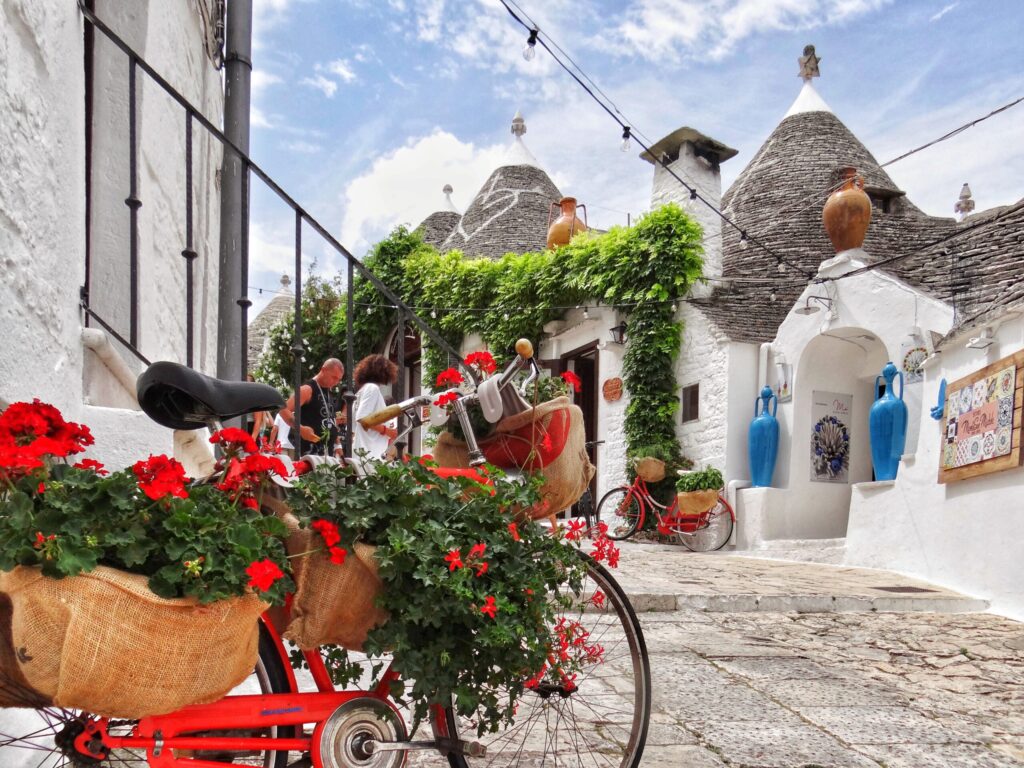
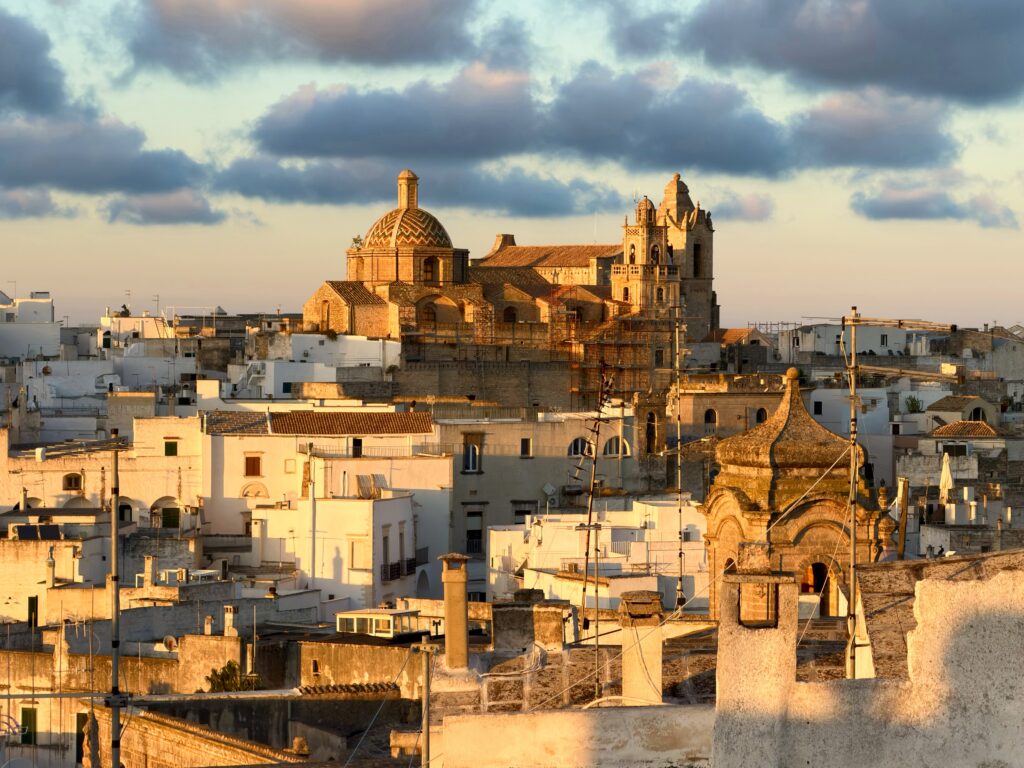
It doesn’t happen on the equinox, and it doesn’t happen everywhere at once. September in Puglia can still run hot, with the sea warm and beach life continuing well past the month’s midpoint. But sometime in late September or early October, the light changes. The sun sits lower and throws long, honeyed shadows down the alleyways of towns like Ostuni and Cisternino; the pale stone that has spent all summer holding the day’s heat starts losing it faster than it gains it, evening by evening. It’s a gentler light than August’s. For some, a more flattering one. But a change nevertheless.
Then, gradually, everything else changes too. The usual description is familiar enough: fewer tourists, gentler weather than northern Europe, empty beaches, the olive harvest, better prices, a more “authentic” experience. There’s truth in all of it, and real pleasure in it too. But it’s only half the story, and the half that’s missing matters. Autumn in Puglia isn’t a quieter version of summer. It’s a different region, one that swaps a beach-and-terrace rhythm for a harvest-and-hearth one, and the difference runs through the weather, the daylight, which restaurants are open, the shape of an evening, the life of the coastal towns and even where it still makes sense to base yourself.
The Puglia Podcast: Autumn in Puglia
The Puglia Podcast is also available from Apple Podcasts, Spotify and wherever else you get your podcasts from.
Follow us on Instagram for reels, stories, and daily inspiration.
October can still feel like summer
October is the transitional month, and handled well, it can be one of the most rewarding times to be here. Warm enough for a swim most mornings, cool enough for a proper walk by afternoon, and blissfully short on queues. It’s worth not confusing “autumn” with consistently cool weather, though. Long-term averages show how much the region varies even within itself: Bari’s average October high sits around 21°C, dropping to roughly 17°C by November; Lecce runs a touch warmer, at about 22°C and 17°C respectively; Foggia and Taranto follow much the same pattern. Overnight temperatures fall away more noticeably as the weeks go on, and the gap between a warm afternoon and a cool evening widens fast.
On a calm, sunny October day, none of this is obvious. The sea has spent two months banking heat from July and August and gives it up slowly, so swimming can still be a genuine pleasure well into the month. For us, it’s one of autumn’s small, quiet luxuries, a sea to yourself when in August you’d have shared it with half of Milan. The light turns gold, the sky a paler shade of blue, the roads empty out, and walking around a town at midday is a far more comfortable proposition than it was in August. The word to hold onto, though, is can. Autumn weather has a mind of its own in a way summer weather simply doesn’t: a cloudless, warm afternoon can give way to rain and a stiff wind by evening, and a day that hits 22°C by lunchtime can leave you wanting a jacket by eight pm. This isn’t a slightly cooler August. It’s the opening move of a different, and rather beautiful, season.
November is where the change becomes unmistakable
By November the balance has properly shifted. Average daytime highs across the region’s main towns sit around 17°C, with overnight lows dropping to 7–10°C depending on location, and rainfall climbs a further notch. Lecce’s long-term November average runs to around 91mm against 81mm in October, while Bari sees a touch less, at roughly 54mm against October’s 65mm. More than the numbers, though, it’s the daylight that changes the shape of a trip. There’s no longer a long summer evening in which to wander a town, drive somewhere for dinner and linger outside afterwards; the useful hours of light become something you plan around, not something you assume. All the more reason to spend them well, over a long lunch or a slow morning at an olive oil tasting.
The weather can turn quickly, and both directions are worth being ready for. A clear November day after rain can produce astonishing light across the whitewashed towns and the olive groves beyond them; crisp air, sharp visibility, a landscape that looks freshly rinsed and somehow more itself. Equally, you should expect rain, wind and damp evenings, and pack accordingly: proper layers, something waterproof, shoes that can survive a wet piazza. Don’t assume that because the forecast says 18°C, you’ll be comfortable in summer clothes once the sun’s gone. Puglia’s autumn weather isn’t a watered-down version of its summer weather – it needs treating as its own season, with its own rules and, done right, its own real charm.

The summer evening disappears
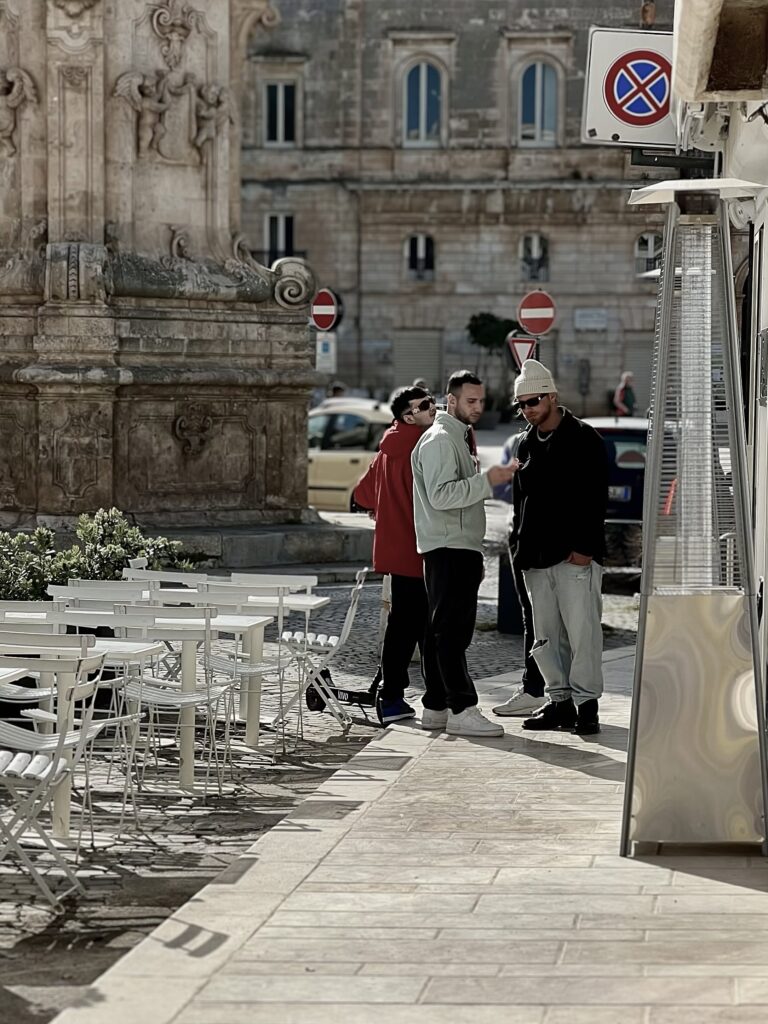
The biggest change for visitors, though, isn’t the temperature at all. It’s what happens after dark. Summer in Puglia is built around being outside: dinner on a terrace, a table spilling into a narrow street, a drink lingering in a piazza, an evening that runs to midnight simply because there’s no reason to go indoors. In October, that outdoor life becomes conditional rather than guaranteed. Some restaurants keep their terraces going for as long as the weather allows, and there are still lovely evenings eating outside. By November, though, indoor dining is the norm, not the exception.
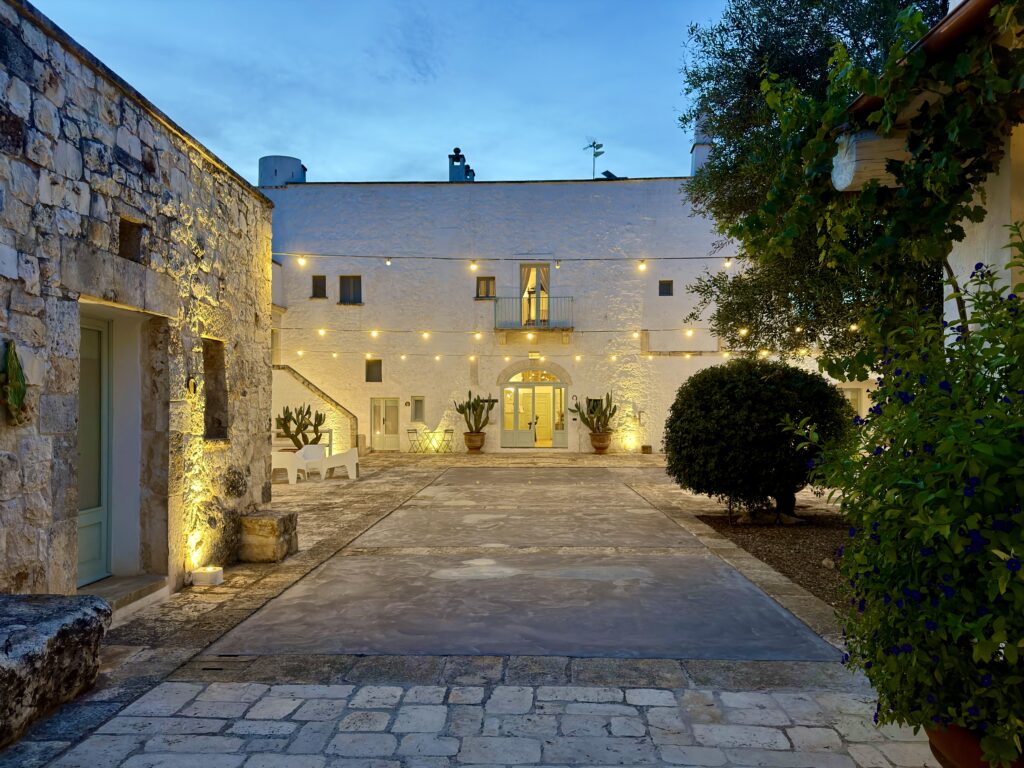
That’s no hardship. Some of Puglia’s most atmospheric rooms are indoors. Vaulted stone cellars, the dim, low-ceilinged dining rooms of old masserie, trattorie where the atmosphere comes from the walls and the candlelight rather than the view, and where an autumn table is as likely to be piled with orecchiette and new oil as anything you’d have eaten outside in July. It’s a different experience, warmer in its own way – just not one anybody should mistake for the sunset-and-spritz version of Puglia they’ve seen on Instagram.
Quieter doesn’t always mean the same, with fewer people
This is the part of the autumn story that deserves more honesty than it usually gets, even in a piece that wants to celebrate the season. A great deal of travel writing describes Puglia outside the summer peak as a place where you get all the same things, minus the crowds. That’s only partly true. Puglia’s tourism economy is heavily seasonal, and when the visitors leave, some of the businesses serving them leave with them: a restaurant that ran every night in August may shut for the winter; a beach bar may close outright; a lido may strip its sunbeds and shutter its kitchen. A small coastal town that was loud until midnight in July can feel genuinely sleepy by November.
Not everywhere closes, and plenty of places operate year-round by design. But you can’t assume an autumn Puglia town is simply its summer self with fewer people in it. Sometimes it is. Sometimes it’s a smaller version of itself. And sometimes – particularly in the smaller coastal villages – it’s something else altogether, closer to dormant than peaceful, where the quiet on the streets reflects the fact that there genuinely isn’t much happening rather than some deeper, more contemplative version of the town. Even Italian-language autumn coverage increasingly draws this line: October read as transitional, November suited far more naturally to cities, inland towns, food and culture, with tourist life scaled right back in some coastal spots.
Autumn changes where a good base makes sense
All of which means an autumn trip is worth planning differently from a summer one. Done well, this is where the season starts to feel less like a compromise and more like its own kind of trip. In July or August, a small coastal town can be an excellent base precisely because the beach, the restaurants, the bars and the evening life are all part of the draw. In November, a city or a larger year-round town makes considerably more sense. Lecce, Bari and Taranto carry substantial resident populations and lives that don’t depend on tourists; Martina Franca and the larger inland towns keep functioning as working communities rather than seasonal sets, and are arguably at their best right now, mid-harvest, with the markets and kitchens to match.
A November evening in Lecce still gives you streets, restaurants, bars, churches and people going about ordinary, unhurried business. A small beach resort in November may give you a beautiful, empty shoreline – and very little else once the sun’s down. Neither is better. It simply means the choice of base needs to follow the season, not repeat last year’s.
What autumn brings instead
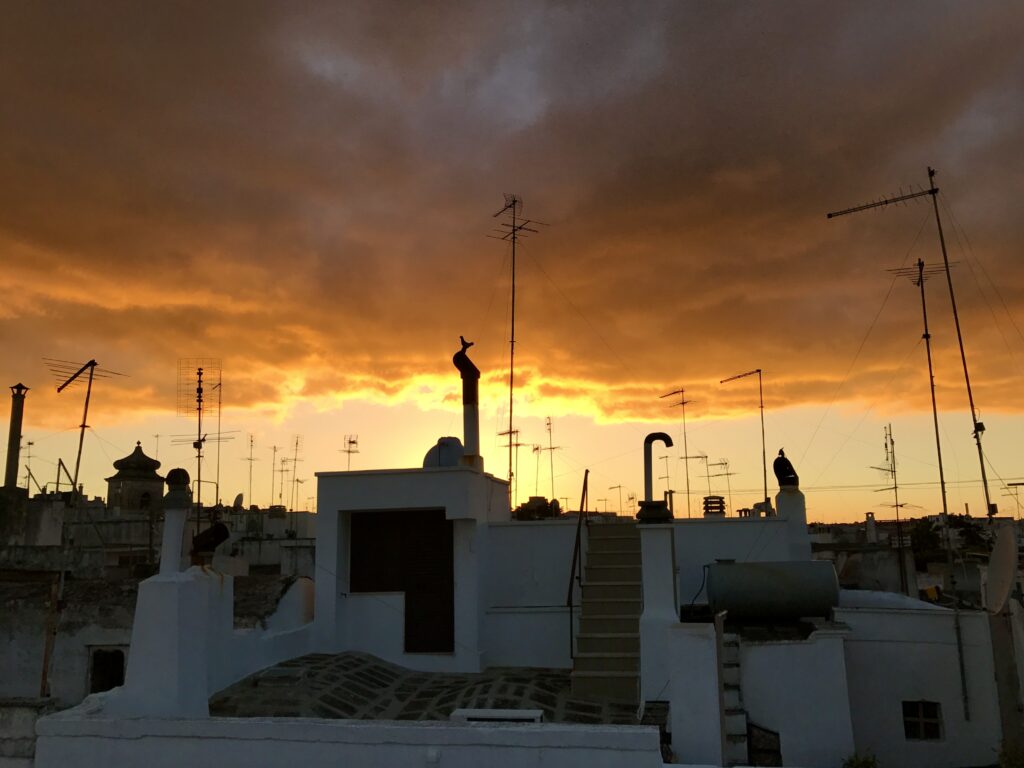
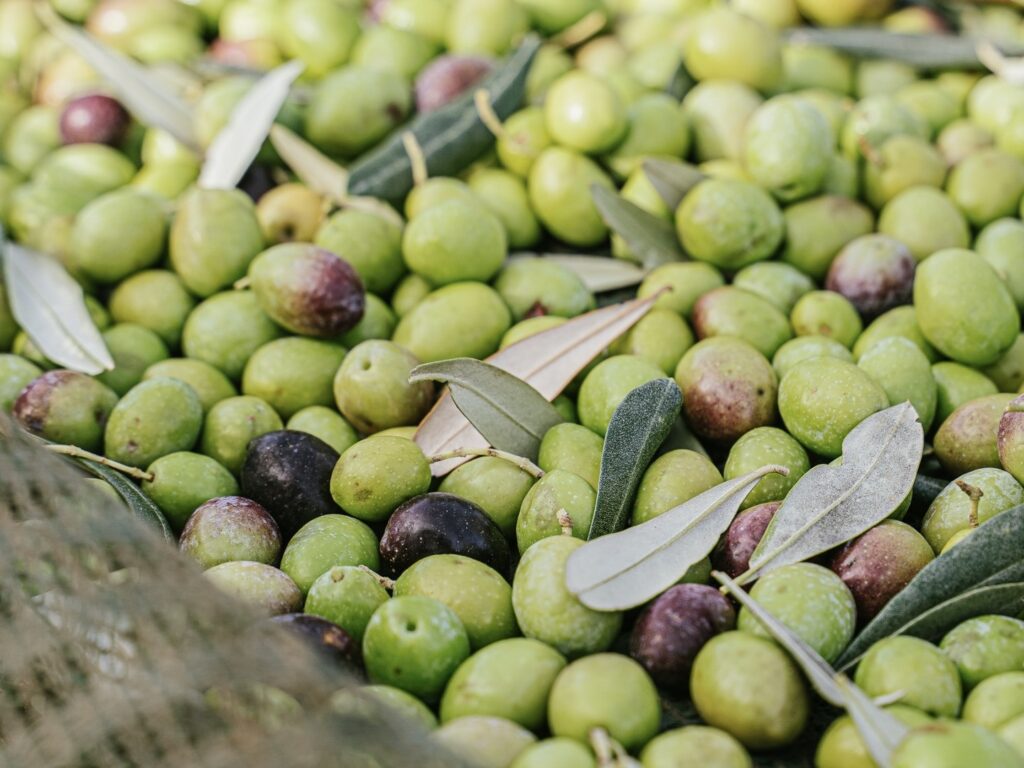
None of this amounts to “there’s no reason to visit.” There’s a different calendar, a richer one in some ways, and some of it barely exists for a summer visitor at all. The olive harvest is the great centrepiece: Puglia’s olive-growing landscape is vast, and autumn is when that agricultural world becomes properly visible, even joyfully so. Depending on variety, location and method, picking can begin in autumn and run on into winter. Nets spread under trees that are centuries old, harvesters working between the trunks, sacks driven straight to the frantoio, the first new oil of the year emerging still faintly green and peppery. This isn’t a staged seasonal attraction laid on for visitors; it’s agricultural work that happens to be under way while you’re there, and there are few better welcomes to a season than catching a working mill mid-harvest, bread in hand, waiting for the oil to come through the spout.
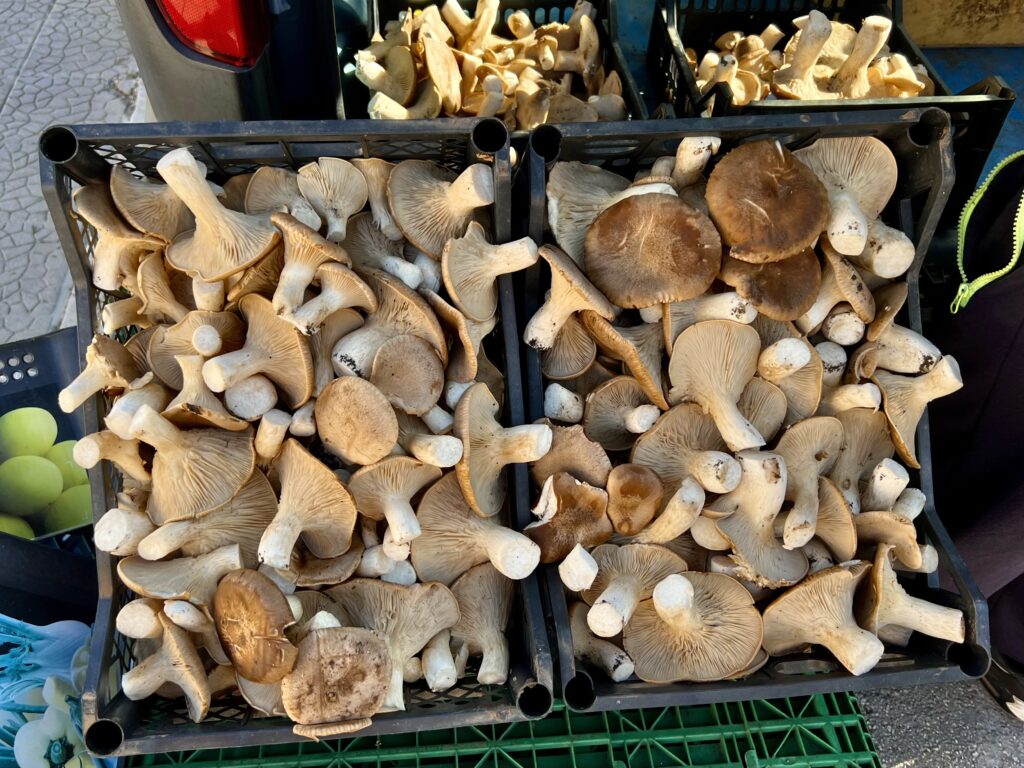
Around it sits a season of food experiences that take the place of July and August beach days : oil tastings at working frantoi, cooking classes built around the new harvest, cheese tastings at masserie where the burrata or caciocavallo was made that morning, and – up on the Murgia – cardoncelli mushrooms working their way onto menus as part of the proper seasonal calendar. They’re the reason autumn has its own devoted following here, and its own case to be made entirely on its own terms.
The coast doesn’t disappear — it changes
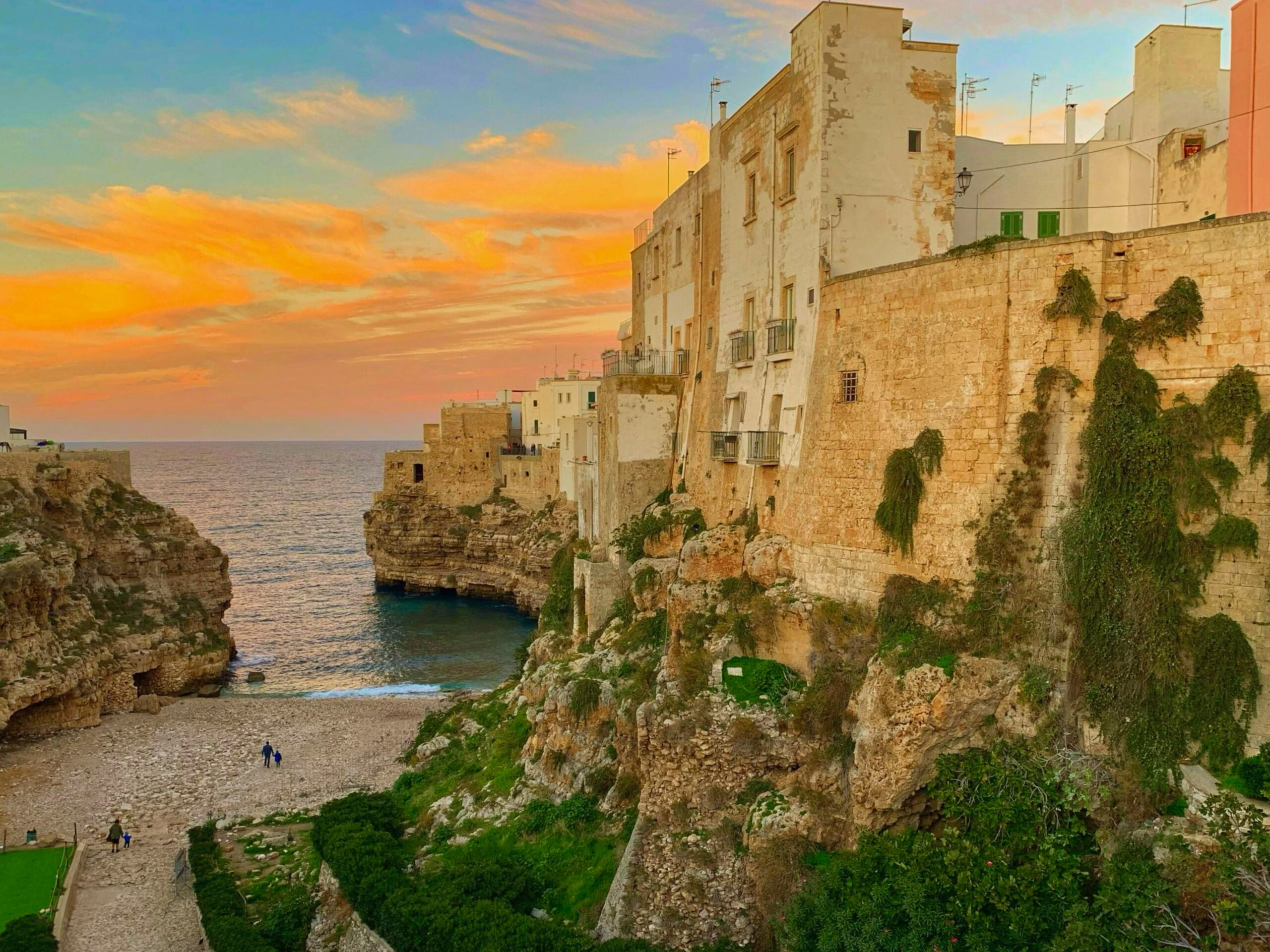
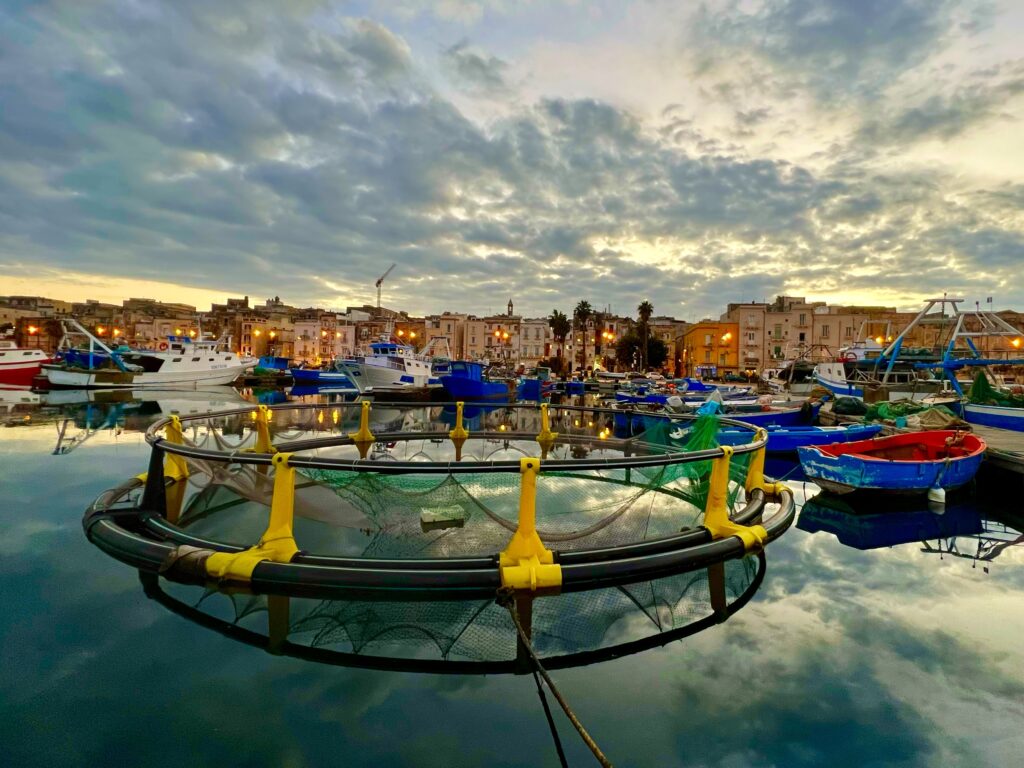
Summer’s end doesn’t make the coast inaccessible; it changes what’s there, and gives it back to you differently. The regulated 2026 bathing season in Puglia runs from 23 May to 13 September, though individual operators can stay open beyond that with the right authorisation, so the familiar lido culture winds down through September with a handful of exceptions rather than a hard stop. The beaches themselves stay exactly where they were. Though a walk along the sand in October or November isn’t an August beach day with the sunbeds taken away. It’s a different landscape altogether: the sea often still startlingly blue, the beach close to empty, the wind given far more room to move, nobody selling you anything and no competition for a patch of sand. On a calm October day you might still swim. On a November morning you’re more likely simply to walk, collar up, and have the whole thing to yourself. Both are lovely ways to spend time on that coast – but travellers coming specifically for a traditional July beach holiday should know that’s not the product on offer any more.
What the autumn pitch gets right
The conventional case for autumn Puglia isn’t wrong. There’s very good reason for the enthusiasm. Autumn here really can be beautiful, and for a certain kind of traveller, one drawn to harvest tables and empty coastlines over sunbeds, it may well be the best season of all.
The Puglia you find outside summer
The trouble starts only when “quieter” becomes shorthand for “the same, but better.” It isn’t quite that. The quiet comes bundled with trade-offs: fewer visitors, but also fewer seasonal businesses; more space on the beach, but fewer beach services; fewer people in the restaurants, but fewer restaurants open to sit in; more freedom on the roads, but far less daylight to use it in; the olive harvest, but rain showers alongside it. None of that makes the season any less worth celebrating. It just means celebrating it for what it actually is.
The best way to think about autumn here isn’t as an alternative summer. It’s the point where the region tips from being built around the coast and outdoor life towards being shaped by its towns, its countryside, its food and the people actually working through it — a season of harvest tables rather than beach towels, and no less generous for it. Summer Puglia is loud, social and relentlessly outdoor. Autumn Puglia is more variable and, in its own way, more intimate: October can still hand you warm afternoons, a swim and dinner outside, with only the first signs of the turn showing; November is a different proposition entirely. Shorter days, cooler air, less settled weather, and a tourism infrastructure that’s contracted noticeably in places, set against some of the best food of the entire year.
The rewards shift with the season, and they’re real rewards. Olive groves instead of packed sand. New oil, green and sharp, instead of another afternoon at the lido. A quiet coastal walk instead of a day under a parasol. A long, candlelit November evening in a city instead of a late dinner by the sea. And every so often, of course, a glorious warm day arrives out of nowhere and you find yourself sitting outside in a T-shirt wondering what everyone was on about.
That’s autumn in Puglia – a season worth loving on its own terms. The point isn’t that it’s a better version of the region. It’s that it’s a different one, and a generous one, if you arrive ready for it. Come expecting a quieter August, and you may be thrown by what’s missing. Come expecting a season of harvest, shorter light and its own particular warmth, and you’ll find plenty to fall for.
An Autumn Puglia Itinerary: Follow the Season
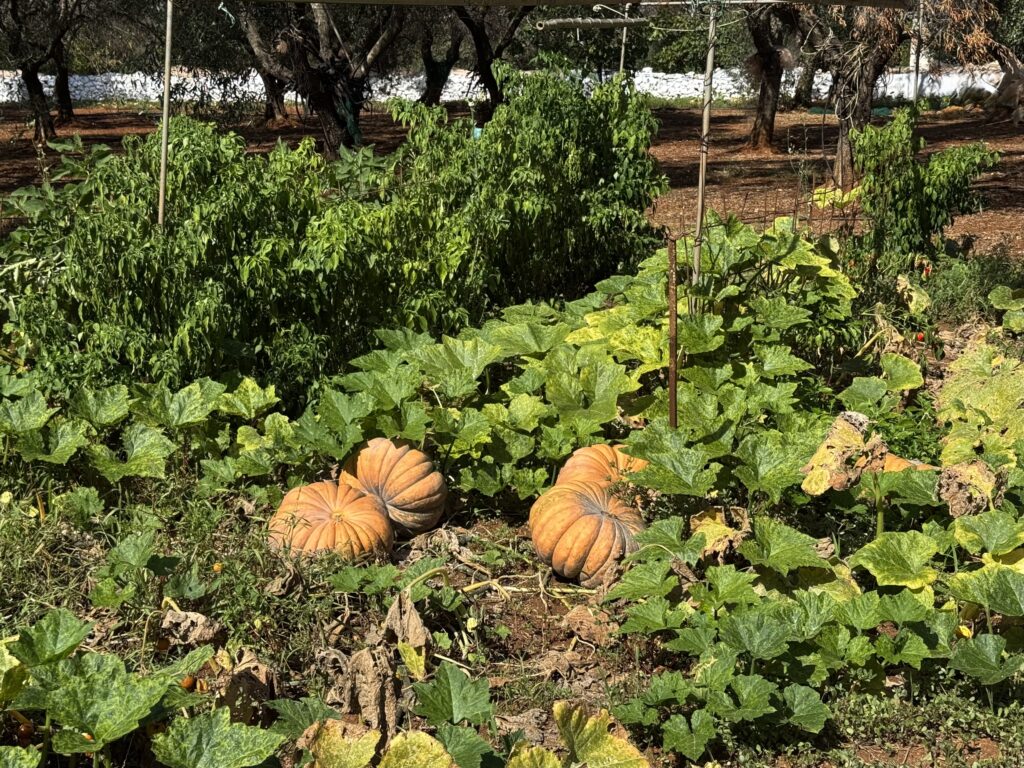
We never suggest prescriptive itineraries. We all have our individual travel style and circumstances. Besides, Puglia is too big, and there are so many ways to enjoy it. What we’d suggest instead is thinking about the season itself and building a trip around what makes sense at this time of year. In autumn, that means following the food. The olive harvest is under way, new oil is starting to appear on tables, and the lighter dishes of summer are giving way to something heartier. The weather makes a long lunch a far more appealing prospect than a day on a sunbed, and once the evenings turn cool, there’s something particularly comforting about sitting indoors with a plate of food that genuinely belongs to the season. Here are some of the experiences we’d build into a trip like that.
Start with the olive harvest
Begin with an olive oil tasting at Frantoio Savoia, in Pezze di Greco, Fasano – the sort of experience that makes more sense in autumn when olives are being harvested and pressed. The mill sits within the Piana degli Ulivi Monumentali, among ancient olive trees, and the Savoia family has been producing oil here for generations. Their tasting takes you into the landscape as much as the mill itself: the history of the place, the trees, and finally the oil. Puglia is Italy’s leading regional producer of olive oil, with the latest available figures putting its share at around 45% of national production across more than 330,000 hectares. Tuscan olive oil may have the better international PR, but Puglia has the trees – and autumn is when you actually get to see the whole process happen, from olives coming off the branch to new oil emerging at the other end of the mill. If you’re visiting around harvest time, this is one of the experiences we’d prioritise above almost anything else.
Then have a proper Puglia lunch
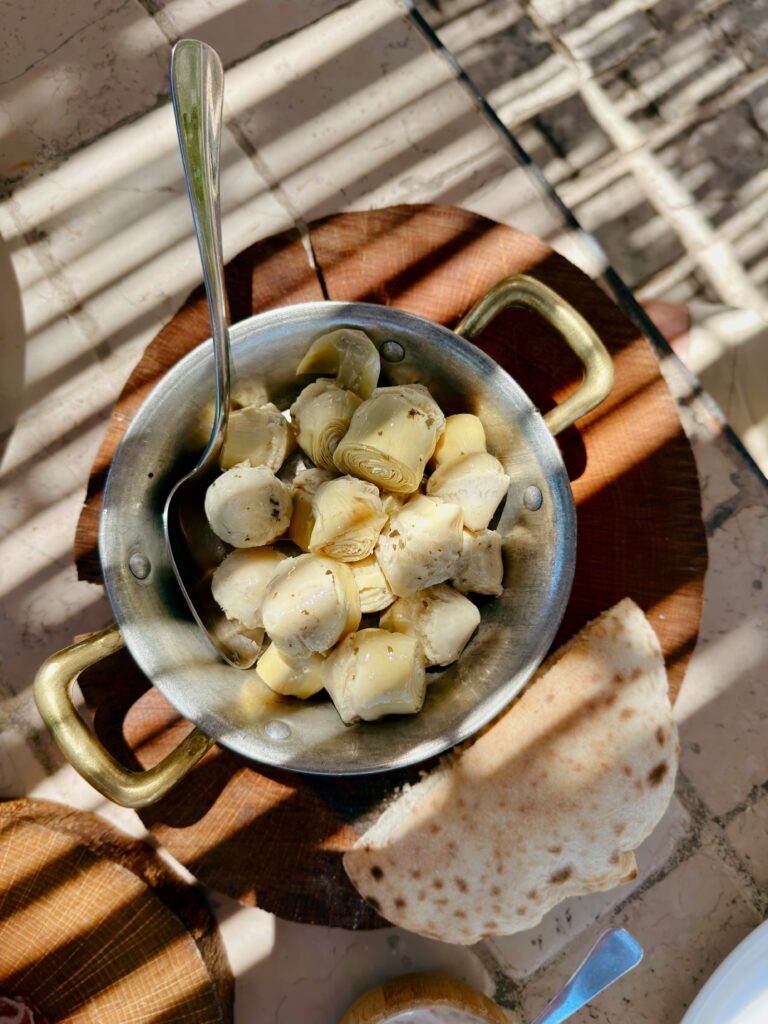
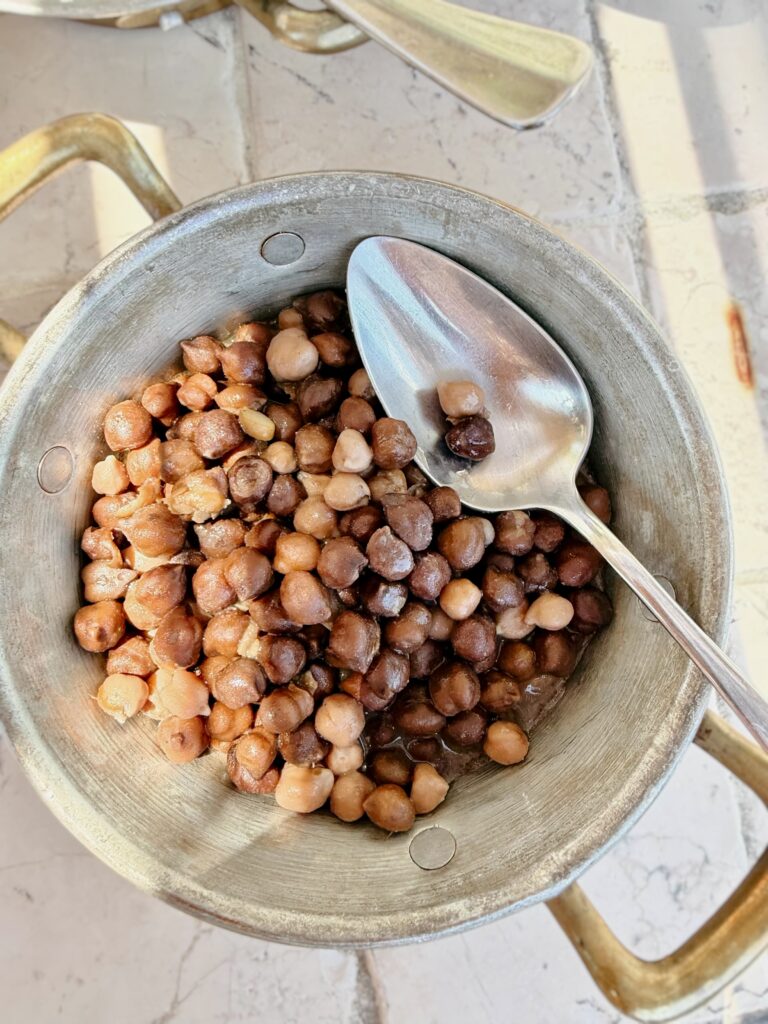
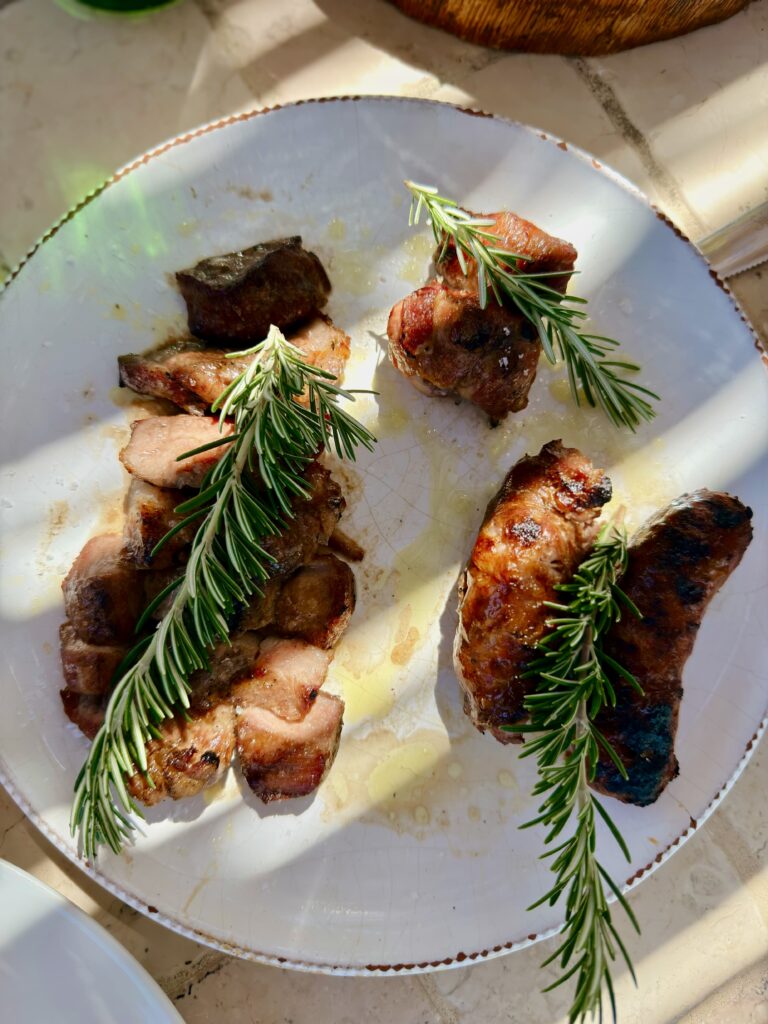
From Pezze di Greco, head towards Martina Franca for lunch at Trattoria Bros’. We chose the €70 menu on our visit and were genuinely surprised by how much the place felt like a genuine trattoria rather than a piece of fine dining transplanted into the countryside – which matters, because Bros’ comes out of the Michelin-starred world but keeps its feet firmly in Puglia here, with generous portions, excellent local produce and dishes that stay recognisably themselves rather than being elaborately reinterpreted. Our meal ran through Murgia chickpeas, orecchiette, bombette, local sausage and grilled capocollo, all of it built around ingredient and tradition rather than technique for its own sake. It’s also a good illustration of why autumn food here shouldn’t be treated as a consolation prize for missing the beach. Simply, this is the food you want once the temperature drops.
Take your time over aperitivo
Resist the urge to tick off another town straight after lunch. Head instead to Locorotondo and Pavì Wine Restaurant for some wine time. Ignazio knows the wines of the Valle d’Itria and the Locorotondo DOC inside out, and the terrace gives you one of those views across the valley that goes some way to explaining why this landscape is so closely bound up with the idea of Puglia. In summer, aperitivo is often something squeezed in before dinner; in autumn, we’d let it become the point of the afternoon instead. Sit down, order a glass, look out across the valley, and stay until the light starts to change. That’s much closer to the pace we’d actually recommend.
Make room for cheese
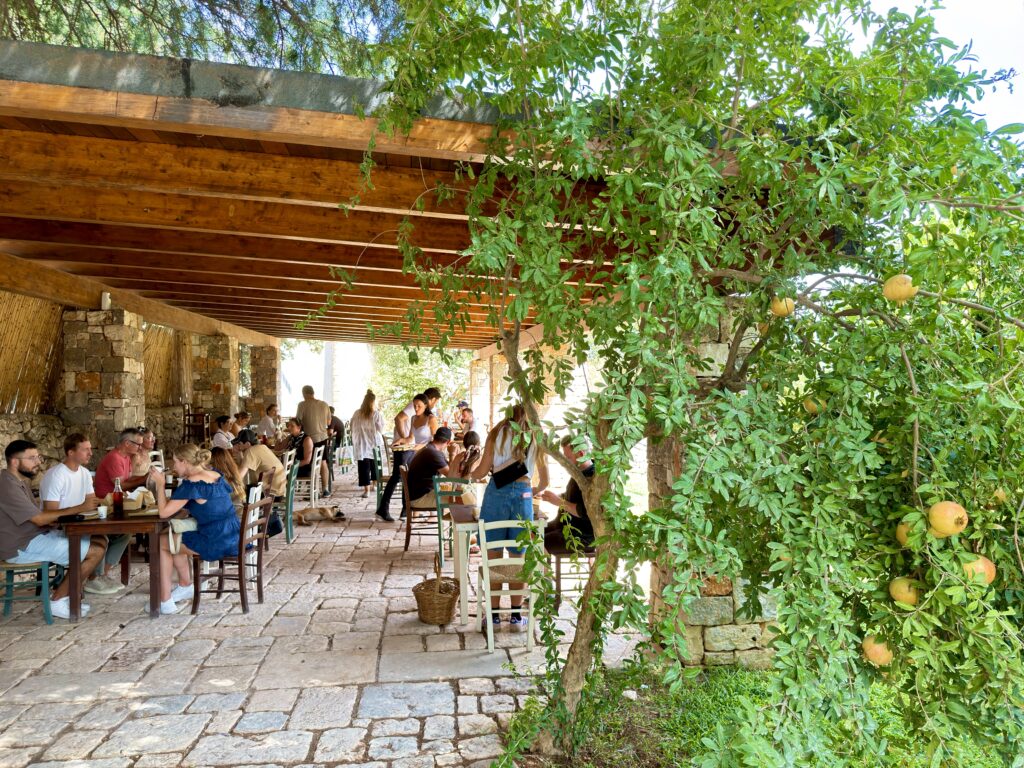
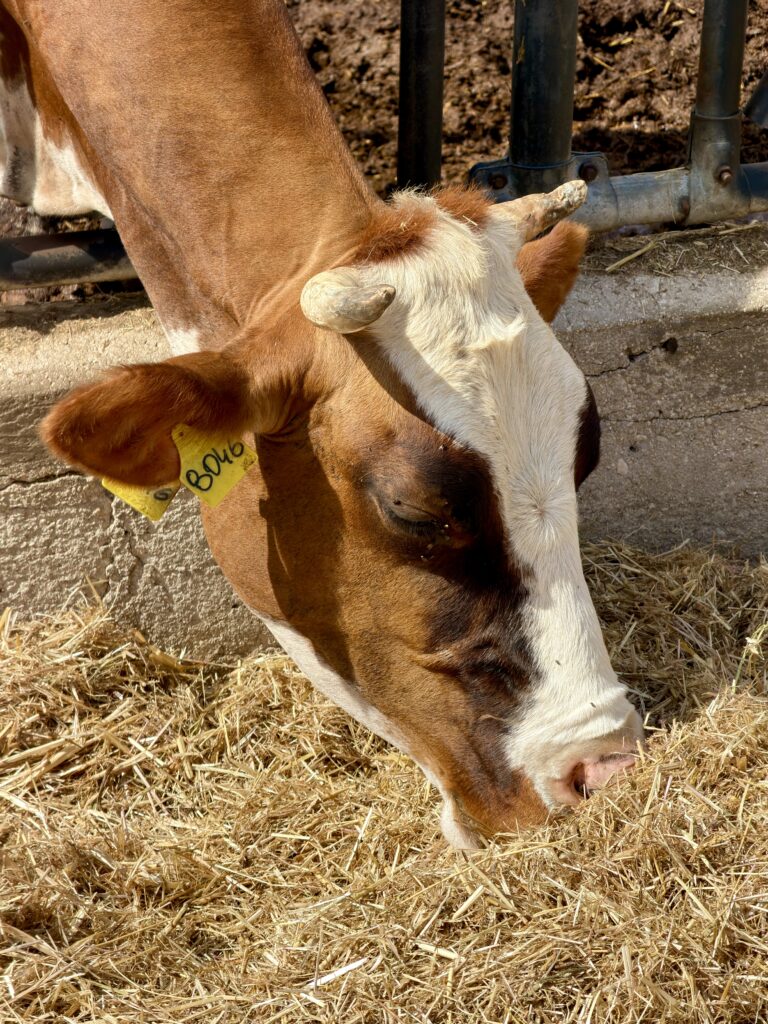
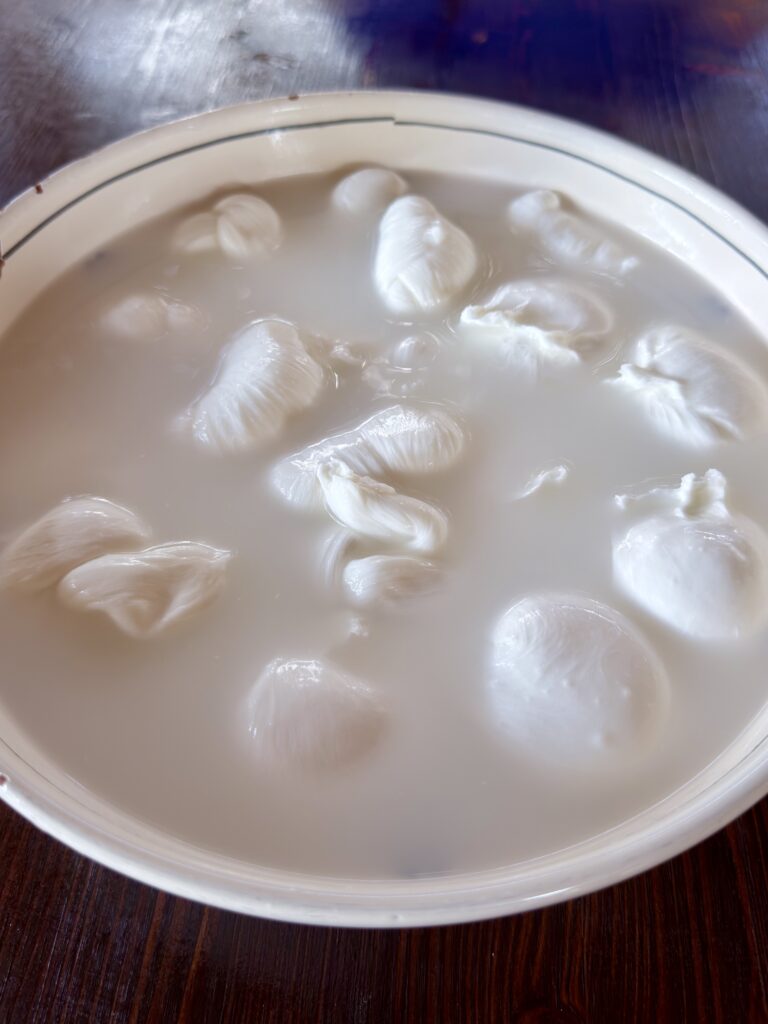
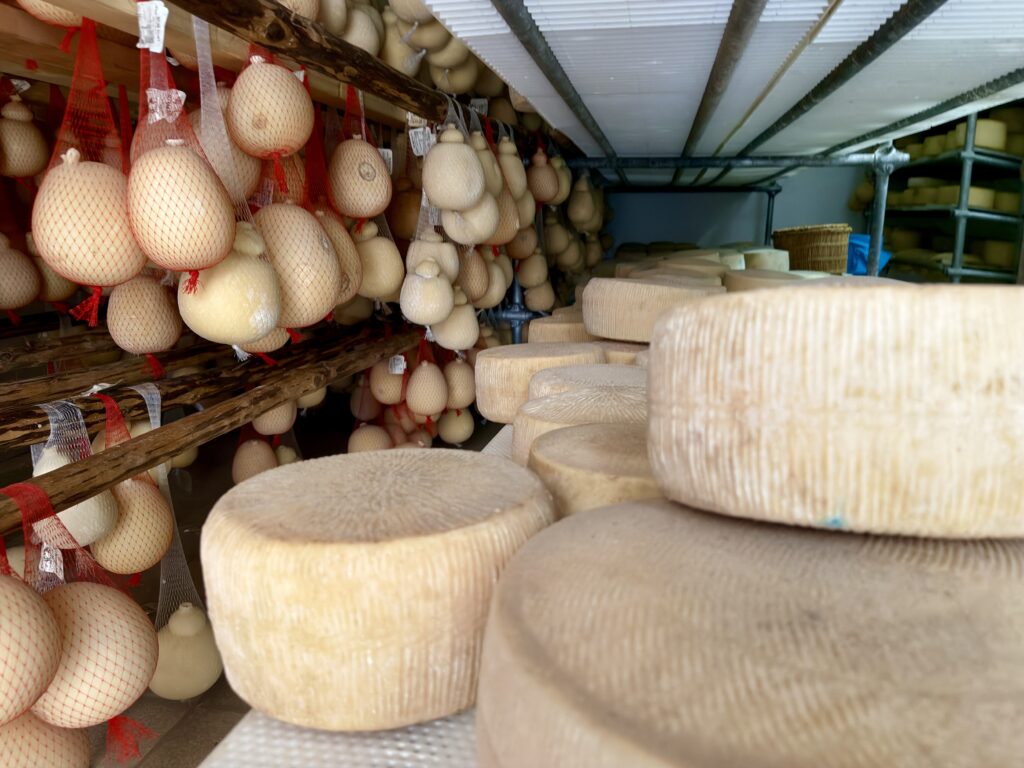
Another day could take you to Masseria Fragnite, just outside Ceglie Messapica, for cheese-making and a tasting lunch. Another experience that suits the season particularly well, watching traditional cheeses being made before sitting down to eat them exactly where they were produced. The burrata alone is reason enough to go: not the neat, uniform version you may have met outside Puglia, but burrata made properly, with the freshness and texture that only comes from eating it close to where it’s made. This, really, is what we mean when we talk about autumn offering a different way into Puglia. You’re not filling time because it’s too cool for the beach, you’re following the food.
Then go to Grottaglie for something completely different
Autumn is also a good moment to spend a few hours in Grottaglie, particularly if the weather isn’t cooperating. The town’s ceramics tradition sets it apart from the more heavily visited Valle d’Itria towns nearby, and it’s worth going for the ceramics district and the workshops themselves, for the chance to watch something being made, rather than simply photographing it afterwards. It’s exactly the kind of slower, hands-on experience that comes into its own once you’re no longer trying to spend every daylight hour beside the sea.
And make time for Taranto
For another day, we’d head further west to Taranto: explore the old town, take in the MArTA museum, spend time around the borgo vecchio, and stop for a proper lunch. Taranto makes particular sense in autumn because it’s a real city rather than a seasonal resort. There’s life here that carries on quite independently of the summer tourist calendar, and that’s a genuinely important part of planning a trip at this time of year. In August, you can build an itinerary around the coast because the coast is where the life is. By November, we’d be far more inclined to build one around the places that stay alive all year round.
Don’t try to do all of this in three days
That’s rather the point of setting it out this way. You could take the olive oil tasting and Martina Franca as one day, folding in Locorotondo for an unhurried aperitivo afterwards; make Ceglie Messapica and Grottaglie another day; and give Taranto a day entirely of its own. Or take just one or two of these ideas and combine them with whatever else you’re drawn to – walking, archaeology, architecture, wine, cooking, markets, or simply sitting somewhere good for a long lunch. The itinerary should fit your travel style, the weather on the day and the time you actually have, not the other way round. What we’d avoid, above all, is trying to recreate a July itinerary with the beach quietly removed.
Autumn rewards a different approach entirely: follow the harvest, eat what’s in season, spend longer over lunch, choose towns that live year-round, and use the cooler weather as an excuse to walk, explore and eat rather than a reason to stay in. And when the rain does come, find somewhere warm, order something seasonal, and settle in. That’s not a compromise. It’s autumn in Puglia.