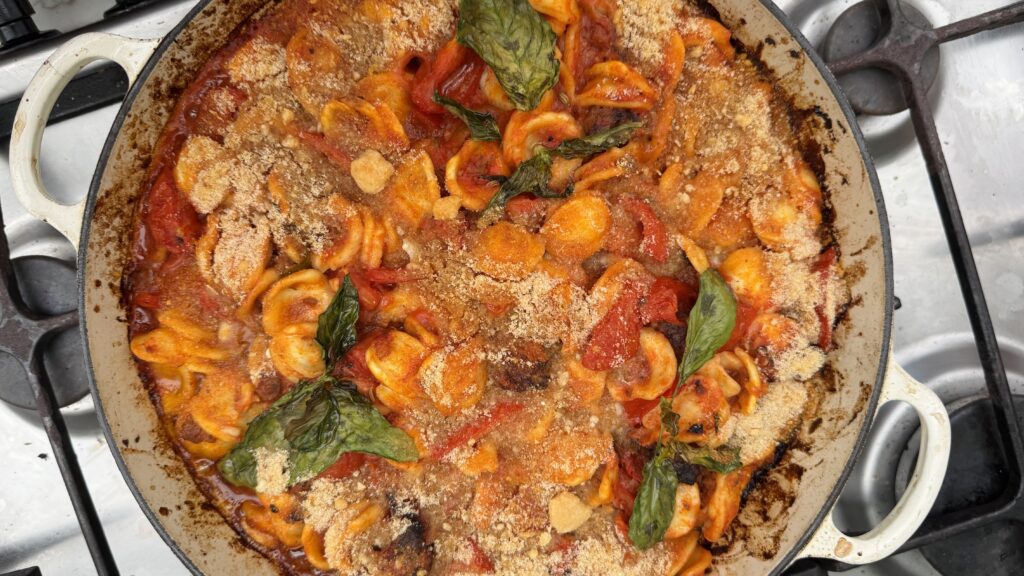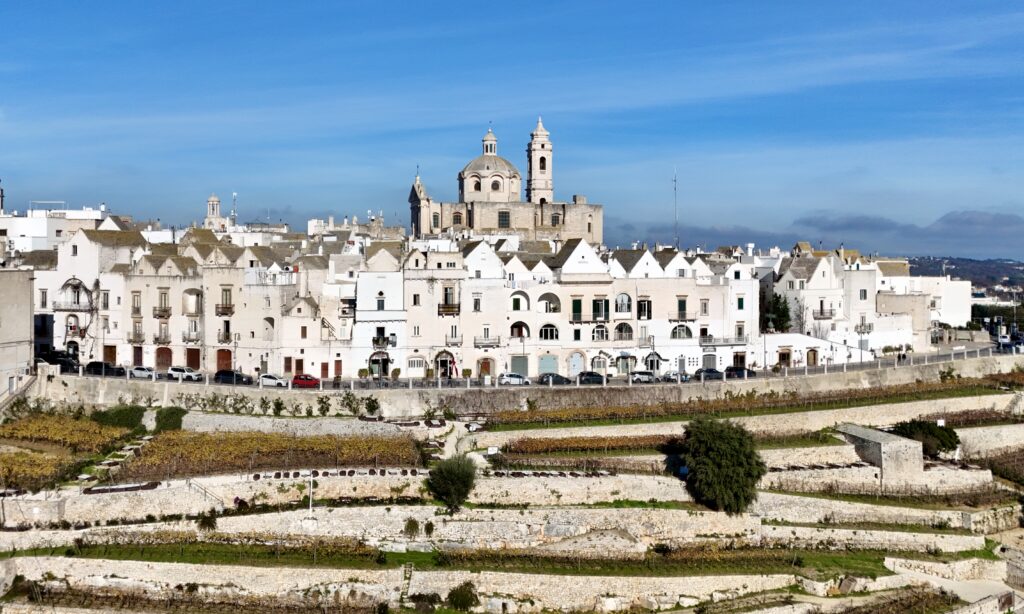

In Taranto, Christmas starts early. At 3 a.m. on 22 November, the bands strike up their pastorali and the city wakes to the scent of frying pettole. The Festa di Santa Cecilia marks the true start of Italy’s longest Christmas: a day of music, faith and warmth that turns Taranto into one great open-air celebration.
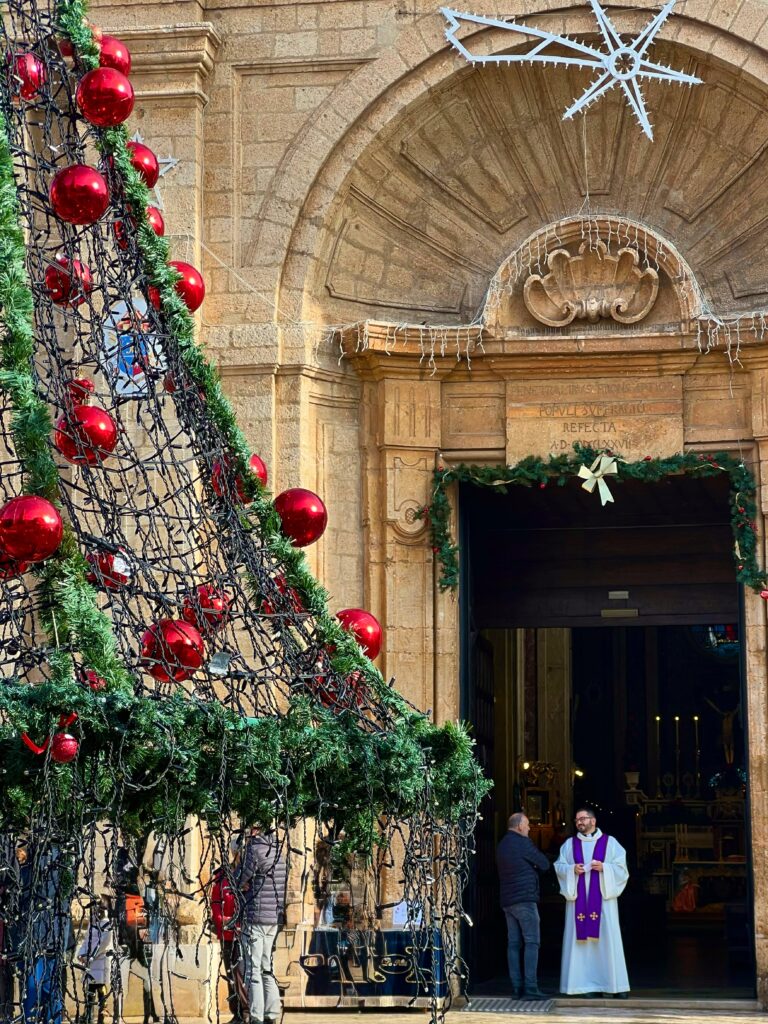
Christmas in Taranto
The longest Christmas in Italy begins before dawn
In Taranto, Christmas doesn’t begin with lights or markets, it begins with music at dawn. Every year on 22 November, the city wakes to the sound of bands playing the pastorali, the pastoral songs dedicated to Saint Cecilia, patroness of music and musicians. From the first notes echoing through the still-dark streets, Taranto steps into its Christmas season, the longest in Italy, running from 22 November through to Epiphany.
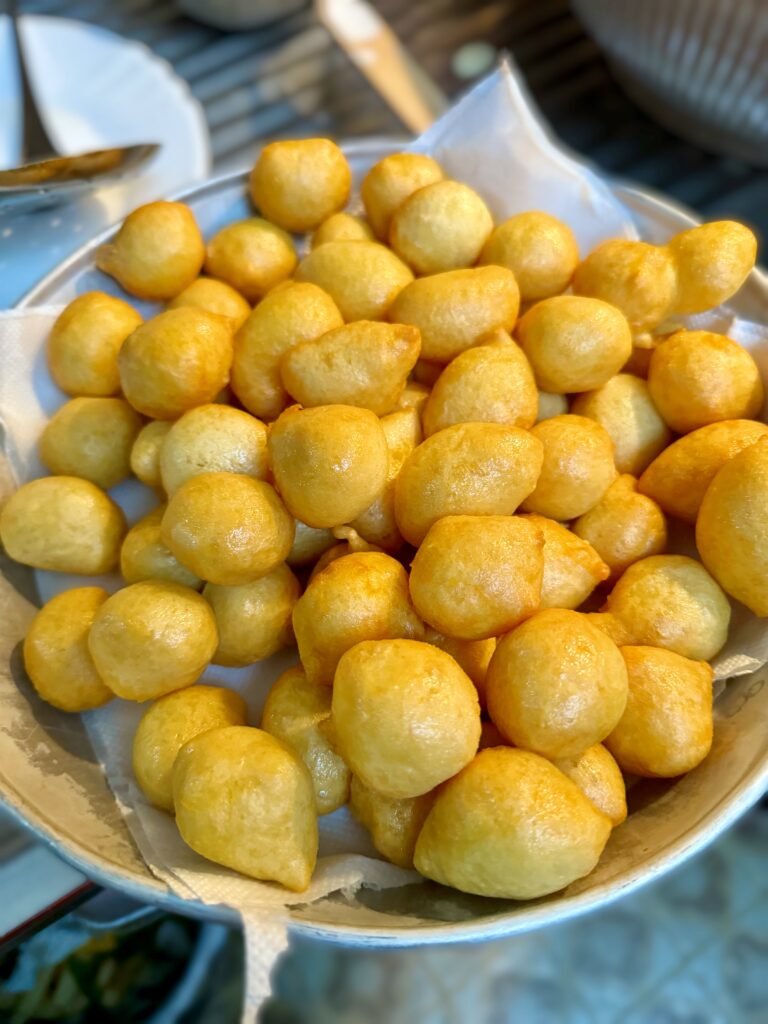
It’s a ritual unique to Taranto. While most towns mark the start of Christmas with switch-ons and market stalls, here it’s the sound of brass, drums, and clarinets that stirs the city awake. Locals gather in their dressing gowns on balconies, or open their doorways to offer pettole, small golden fritters, to passers-by. The scent of frying dough and coffee mingles with the chill of dawn air. For Taranto, this is how Christmas begins.
The origins of the Festa di Santa Cecilia
The Festa di Santa Cecilia has deep roots that blend religion, music, and civic pride. Saint Cecilia, a Roman martyr of the 3rd century and the patron saint of music, was said to have sung in praise of God even as she faced execution.
In Taranto, she’s not an official patron saint, but her celebration is loved as the true prelude to Christmas. The tradition goes back centuries, tied to the city’s long musical heritage. Taranto has one of Italy’s oldest civic orchestras, the Grande Orchestra di Fiati Santa Cecilia, founded in 1869, and the day dedicated to the saint reflects that enduring passion for melody and community.
How Taranto wakes up to Christmas
The night of 21 November fades into the early hours of the 22nd. Around 3 a.m., bands begin their march through the city streets, among them the Grande Orchestra di Fiati Santa Cecilia and the Gran Complesso Bandistico Giovanni Paisiello. They play traditional pastorali natalizie, Christmas tunes passed down through generations. The music rolls from square to square, through the Città Vecchia and into the newer quarters, until dawn begins to break.
By 5.30 a.m., musicians and locals gather at the Cathedral of San Cataldo for a blessing before a short procession with the statue of Saint Cecilia through the old town to the Church of San Giuseppe. Bagpipers from Calabria and Abruzzo join in, filling the narrow streets with their rustic tunes.
As daylight spreads across the Ionian harbour, the city hums with energy. The frying of pettole becomes a soundtrack of its own; a sizzle that signals generosity and community. Families and cafés offer them to neighbours and strangers alike, dusted with sugar or drizzled with honey.
In the afternoon, a solemn procession winds through the historic centre, returning to the Cathedral for the evening Mass. After the service, the music continues in Piazza Duomo, accompanied by a final, festive pettolata. Then, as darkness falls again, the Christmas lights are switched on, officially inaugurating Taranto’s “Natale più lungo d’Italia” (the longest Christmas in Italy).
The soundtrack of a city
What makes this day so special isn’t just its longevity, it’s the way it unites the entire city. The early-morning marches reach every neighbourhood: from Via Matteotti and Piazza Garibaldi in the centre, through Corso Umberto I and the streets of the Città Nuova, to Viale Virgilio, Via Umbria, and Corso Italia further afield. No quarter of Taranto is left untouched by the music.
That’s what gives the Festa di Santa Cecilia its power: it’s participatory, communal, and unmistakably local. You don’t just watch it from the sidelines, you wake up inside it, and share the joy. While Easter in Taranto is solemn and dark, Christmas is a time of light, optimism and joy!
Taste and tradition
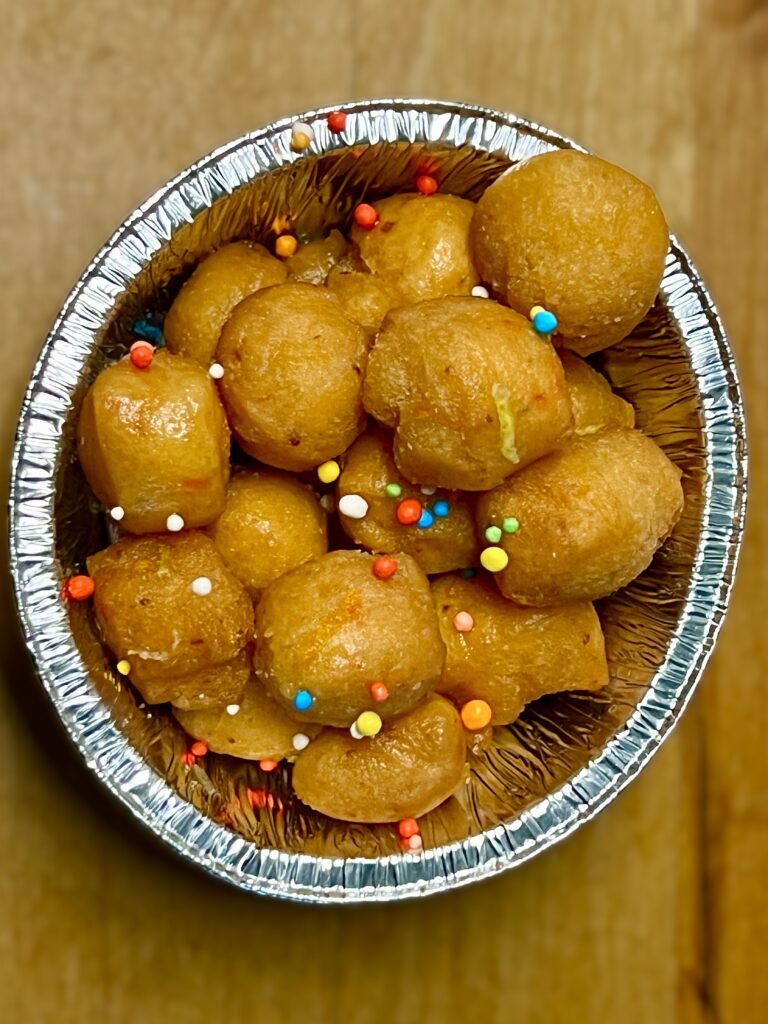
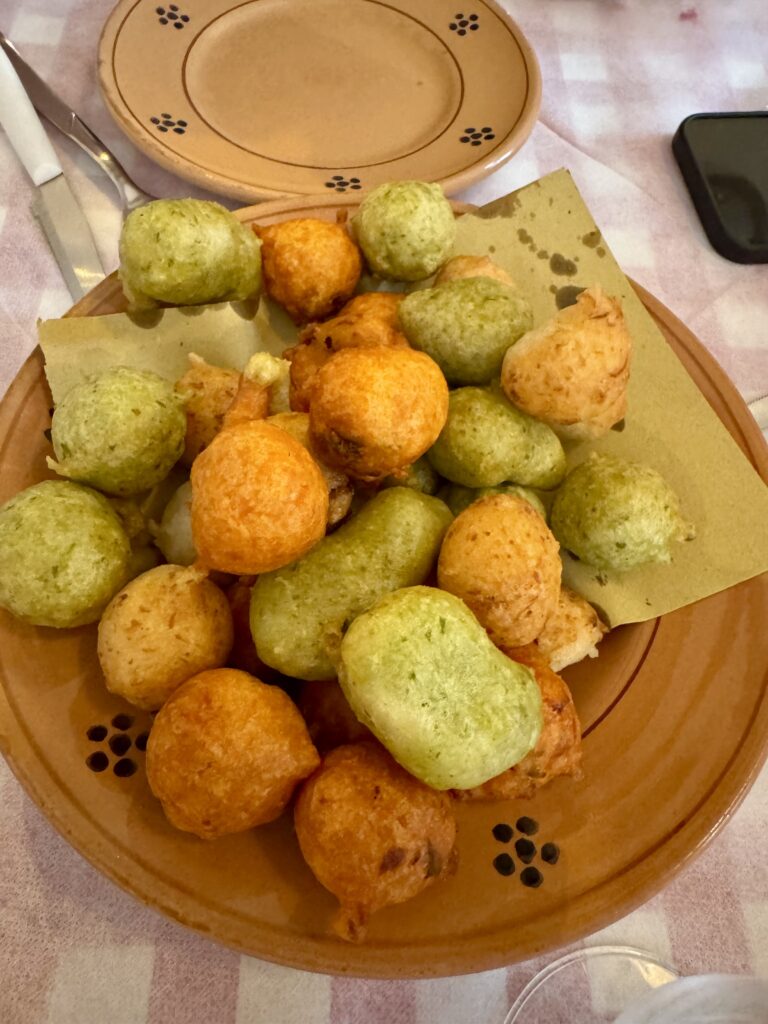
The star of the day’s food traditions is the pettole. Small, round fritters made from a soft yeast dough, deep-fried until crisp on the outside and light within. They’re the symbol of Santa Cecilia, shared freely as an act of hospitality.
You’ll find sweet versions, rolled in sugar, and savoury ones filled with anchovies, olives, or capers. Many families make their first batch before sunrise, carrying on recipes passed down from their grandmothers. Restaurants and bakeries across the city fry pettole all day long, and the scent alone is enough to tell you that Christmas has begun.
Why visit
Taranto’s Santa Cecilia celebrations are a rare chance to experience a Christmas tradition as lived by locals. They don’t usually draw tourists. Instead it’s spontaneous, musical, and deeply human.
To see it at its best:
- Be in the Città Vecchia before 3 a.m. to catch the first notes of the bands.
- Sample pettole from a street stall or local bakery.
- Stay for the evening procession and lighting of the old town, when Taranto truly glows.
It’s a magical moment that sets the tone for the entire festive season in Puglia.