
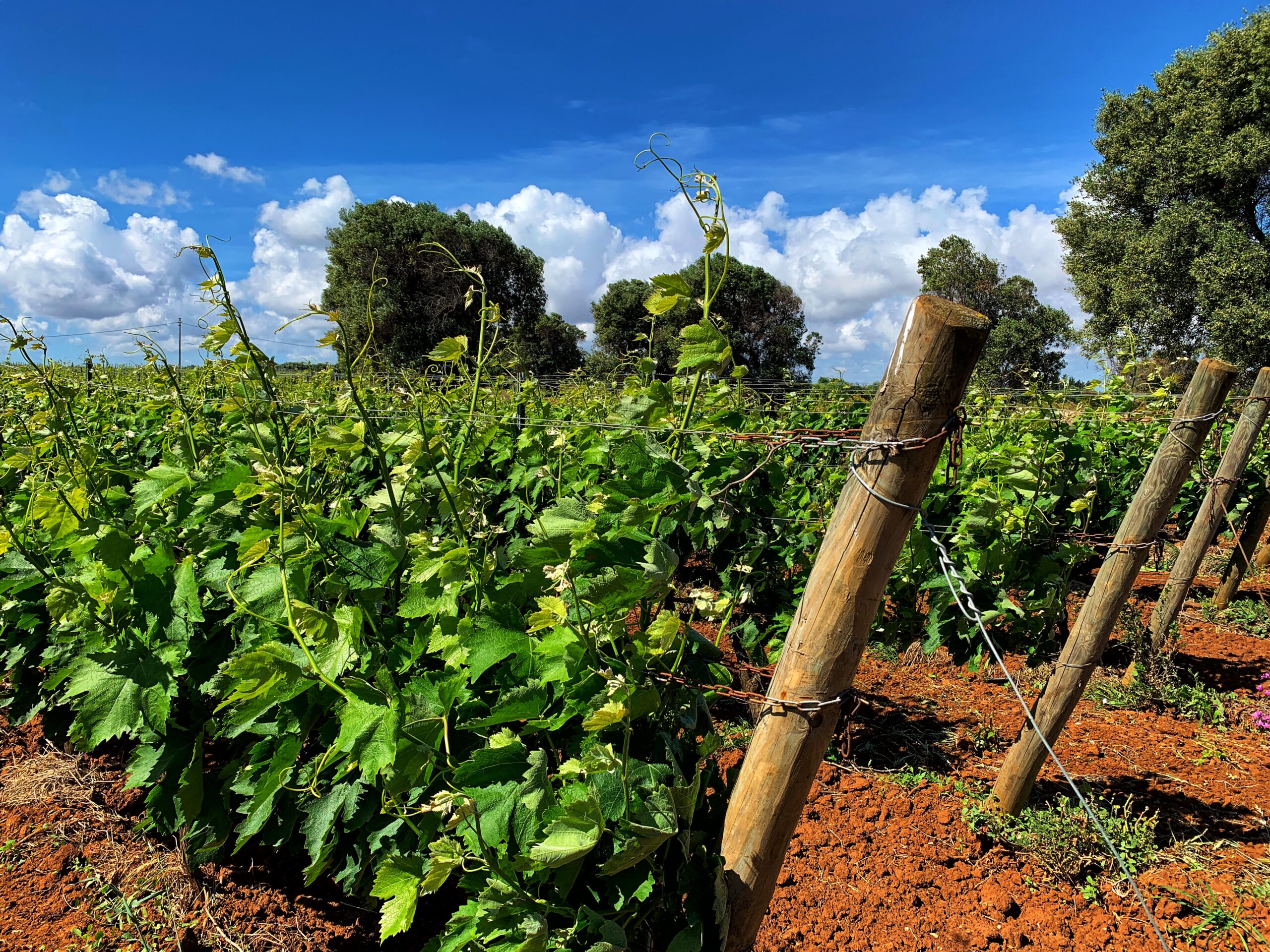
Italy is the world’s leading wine producer with 50.3 million hectoliters of wine produced in 2022, taking top spot ahead of France. Puglia, the heel of the boot, is Italy’s second top regional producer.
Think of Italian wine and your mind probably wonders to Tuscany and Piedmont. While Puglia might not be as well-known as Italy’s more romantic wine regions it is Italy’s second top wine producer. In 2022 it accounted for 10.6 million hectoliters, over a fifth of Italy’s total production, behind Veneto (12 million hl) and ahead of Emilia-Romagna (7.4 million hl) and Sicily (4.3 million hl).
The heel of Italy’s boot has quickly become a must-visit destination for wine enthusiasts looking for something new and exciting, quietly producing some of the country’s finest wines.
Puglia has a long history of wine production, dating back to ancient times when the Greeks settled in the area. It is the hottest of the major Italian wine regions, producing typically heavy and tannic red wines, powerful and structured. The region is unique for the diversity of geography of its terroirs and the difference in the wine this produces: from the hillier vineyards in the north to the sandy but nutrient-rich flat vineyards of Salento in the south. The warm, sunny climate, combined with the rich, fertile soil, makes Puglia an ideal location for growing a wide variety of grapes.
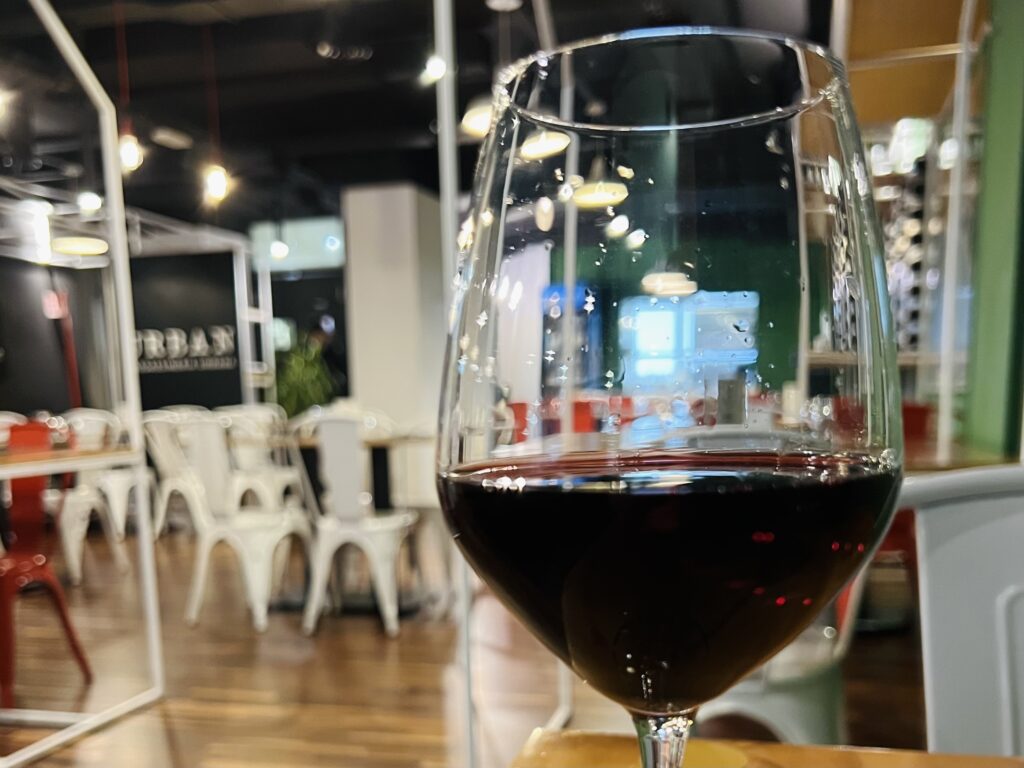
Rich and robust reds
One of the most popular wines from Puglia is Primitivo, which is similar to California’s Zinfandel. Primitivo is a rich, full-bodied wine that is packed with flavor. It is made from the Primitivo grape, which is a dark-skinned grape that is known for its high sugar content. The result is a wine that is rich and fruity but soft, almost velvety, with hints of blackberry, cherry, plum and spices. Primitivo pairs well with hearty meat dishes, such as roasted lamb or a slow-cooked ragù.
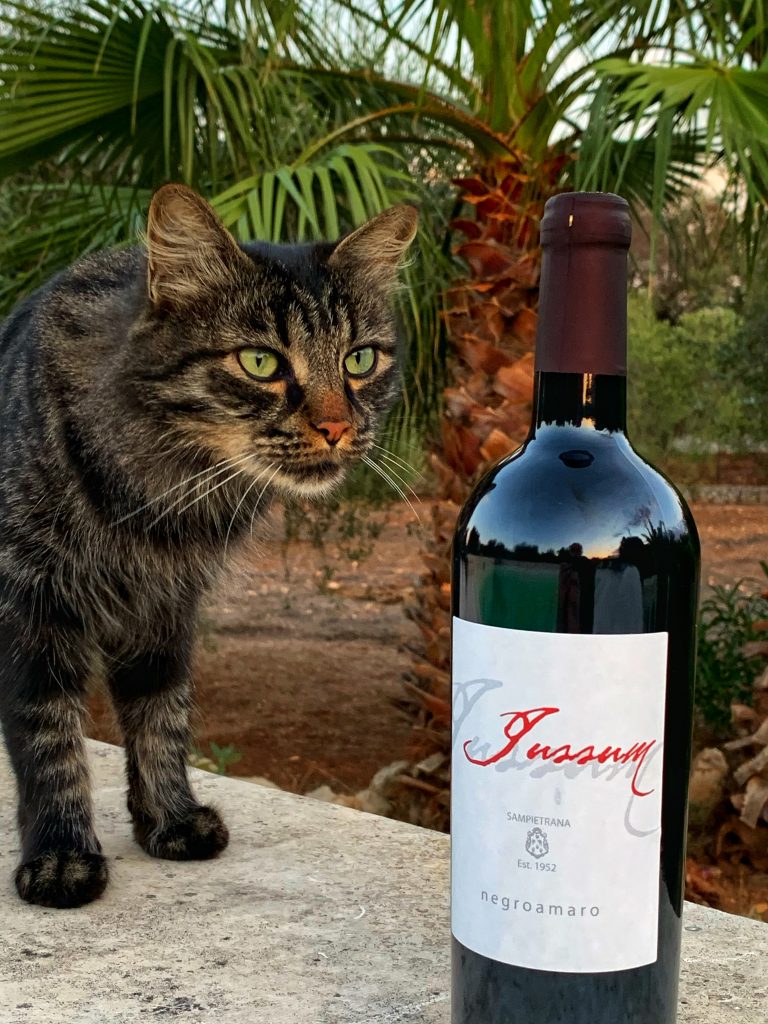
The Puglia Guys default red is Negroamaro, a red wine made from the Negroamaro grape originating from the Salento area of Puglia. This wine is full-bodied, with a deep, dark color and a complex flavor profile. It is known for its earthy, smoky notes, which are balanced by hints of black cherry, plum and coffee. To our taste it is at its best as a rich, deep chocolate.
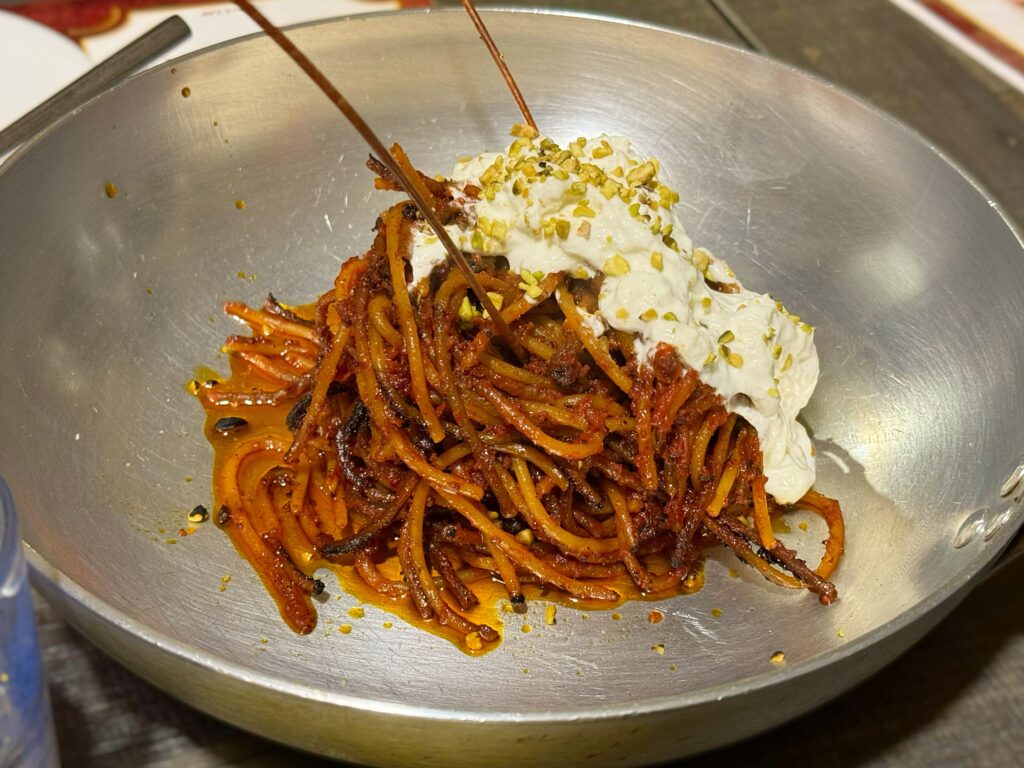
Negroamaro is a versatile wine that pairs well with a wide range of foods, including roasted meats, pasta dishes, and hard cheeses. Its smokiness means it goes exceptionally well with Italy’s best known ‘undiscovered’ spaghetti dish – spaghetti all’assassina from Bari.
Susumaniello and Nero di Troia are two excellent examples of Puglia’s unique wine culture and have been gaining attention and appreciation among wine enthusiasts.
Nero di Troia is another red grape variety native to Puglia, and is also known as Uva di Troia. Nero di Troia produces full-bodied, complex wines with a deep, rich color and high tannins. Nero di Troia wines are often described as being fruity, with flavors of blackberry, black cherry, and plum, and also have a subtle spiciness. The grape’s thick skin gives the wine a robust tannic structure that can benefit from aging in oak barrels, resulting in a more complex and nuanced wine. Nero di Troia is also known for its ability to age well and has become increasingly popular in recent years, both in Italy and around the world.
Susumaniello is a red grape variety native to Puglia, which produces wines that are deep in color, high in tannins, and have a strong acidity. Susumaniello wines are known for their intense aroma, which is often described as being reminiscent of red berries, cherries, and other fruits. They are also typically full-bodied and have a long, persistent finish. Susumaniello grapes were nearly extinct in the 20th century, but have recently experienced a resurgence in popularity, with a growing number of producers focusing on this unique grape variety.
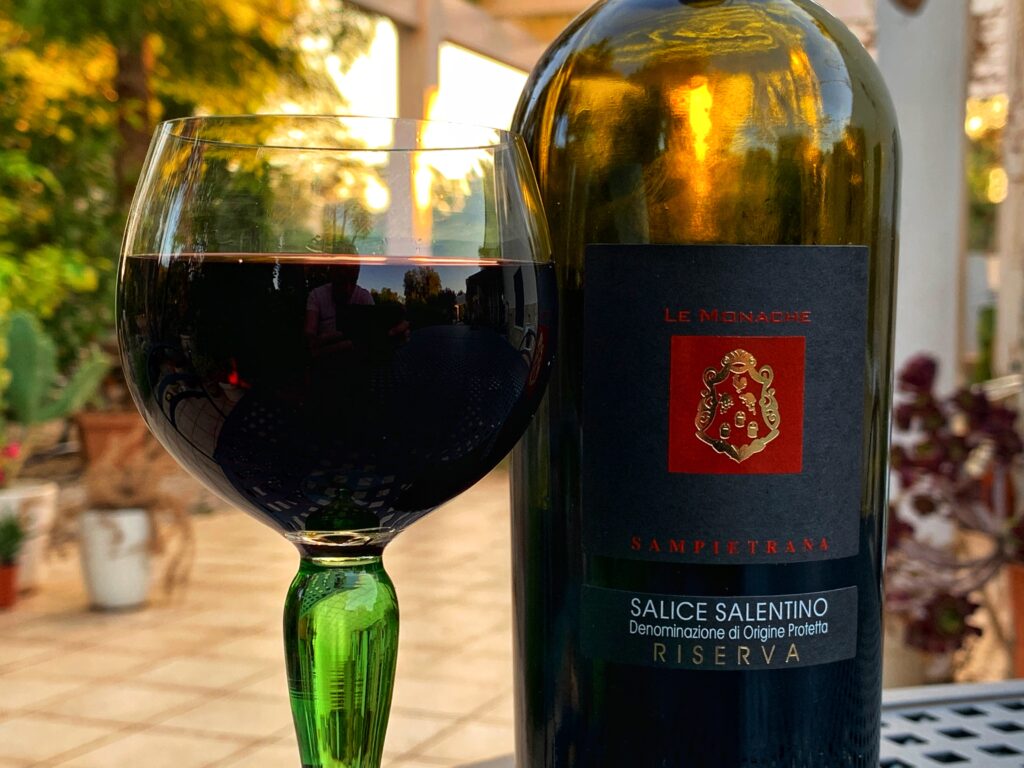
Salice Salentino is a red wine produced in the Salento peninsula. It is made from a blend of two grape varieties: Negroamaro and Malvasia Nera.
The wine is known for its deep ruby color and its rich and complex flavor profile. On the nose, it typically exhibits aromas of dark fruit such as blackberry, cherry, and plum, as well as hints of spice, tobacco, and leather. On the palate, the wine is full-bodied and rich, with a velvety texture and firm tannins. The flavors are typically of ripe dark fruit, with a hint of vanilla and a touch of earthiness.
Salice Salentino is usually aged for at least two years, including one year in oak barrels, which contributes to its complex flavor and structure. The wine can be enjoyed young, but it also has good aging potential, with some of the best vintages able to age for up to a decade.
Like a couple of us, Salice Salentino is a versatile wine that pairs well with a wide variety of foods, including roasted meats, stews, pasta dishes with hearty sauces, and aged cheeses. It is also a good wine to enjoy on its own, as a meditation wine. Overall, Salice Salentino is a complex and flavorful red wine that is a great representation of the quality and character of wines from Puglia.
Puglia’s rosé wines, are made from a variety of grapes, including Negroamaro and Primitivo. These wines are light and refreshing, with a crisp acidity and a delicate fruit flavor. They are perfect for sipping on a hot summer day, or paired with light seafood dishes. They are often given to us as gifts. Why else would we come to taste them!
Fabulous and floral
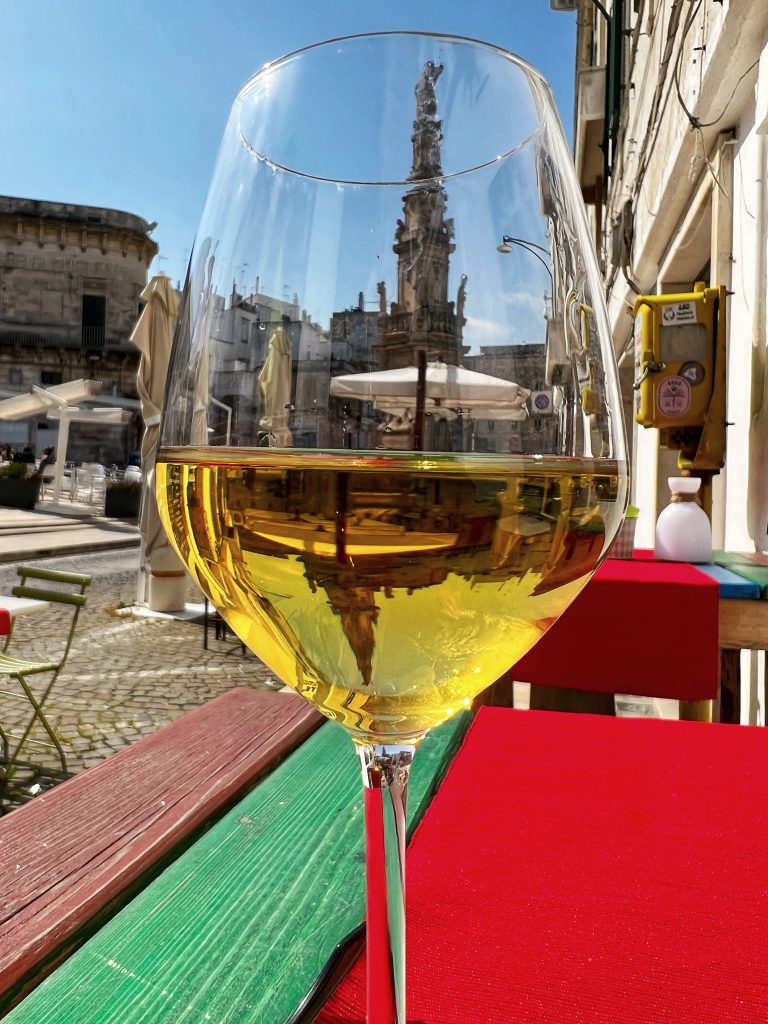
Finally, Puglia is home to a number of excellent white wines, including Fiano and Verdeca. We love their minerality.
Fiano is a rich, full-bodied white wine that is known for its floral aromas and honeyed notes. It pairs well with rich seafood dishes, such as lobster or crab. Verdeca is a lighter, more refreshing white wine that is perfect for sipping on a warm summer evening.
Having enjoyed both – extensively – here are the Puglia Guys’ tasting notes.
Fiano:
- Appearance: straw-yellow in color with golden reflections.
- Aroma: floral and fruity aroma, with notes of honey, peach, apricot, and pear, as well as a hint of minerality.
- Taste: dry, medium-bodied, with a good acidity. On the palate, we sensed flavors of honey, citrus, peach, and almond, with a slight bitterness on the finish. Overall, well-balanced with a (very) pleasant and refreshing finish.
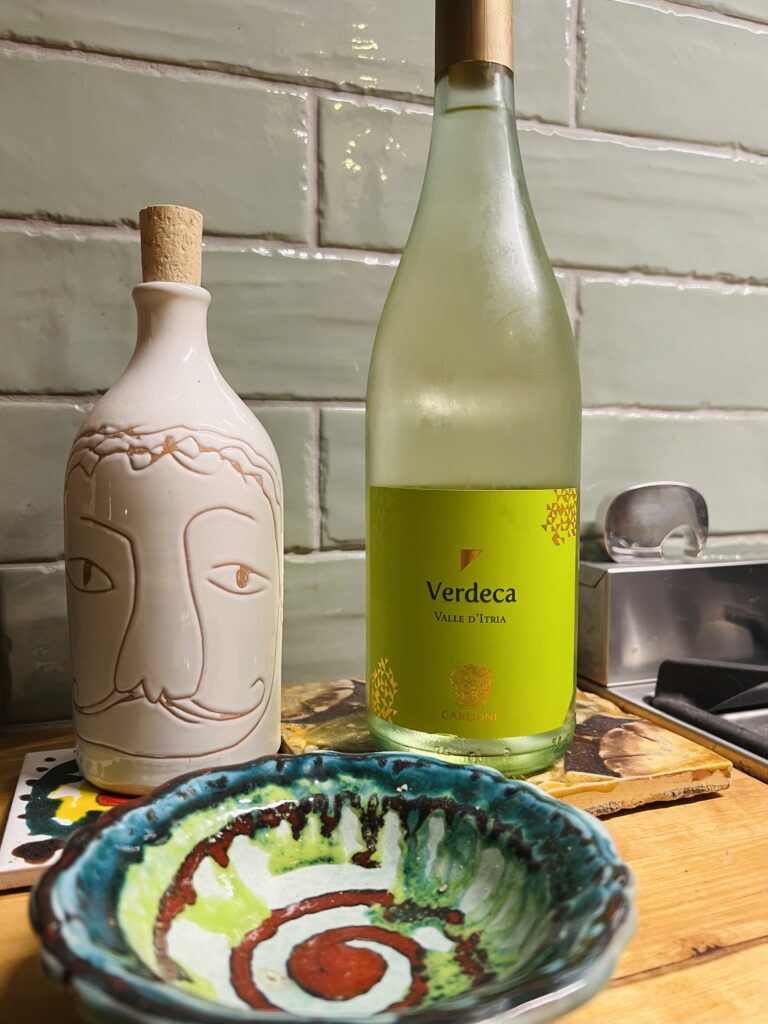
Verdeca:
- Appearance: pale yellow in color with greenish reflections.
- Aroma: fresh and delicate aroma, we smell white flowers, green apple, and citrus.
- Taste: dry, light-bodied, but with a high acidity. We discovered flavors of green apple, lemon, and that hint of mineral. Overall, crisp and refreshing, with a clean and dry finish.
So, there we have it. Puglia is a hidden gem in the world of Italian wine. With its warm climate and rich soil, the region produces a wide variety of wines that are sure to please any palate. From rich, full-bodied reds to light, refreshing whites and rosés, Puglia has something for everyone. So the next time you’re planning a trip to Italy, be sure to add Puglia to your itinerary and explore its delicious wines.
Something for the weekend?
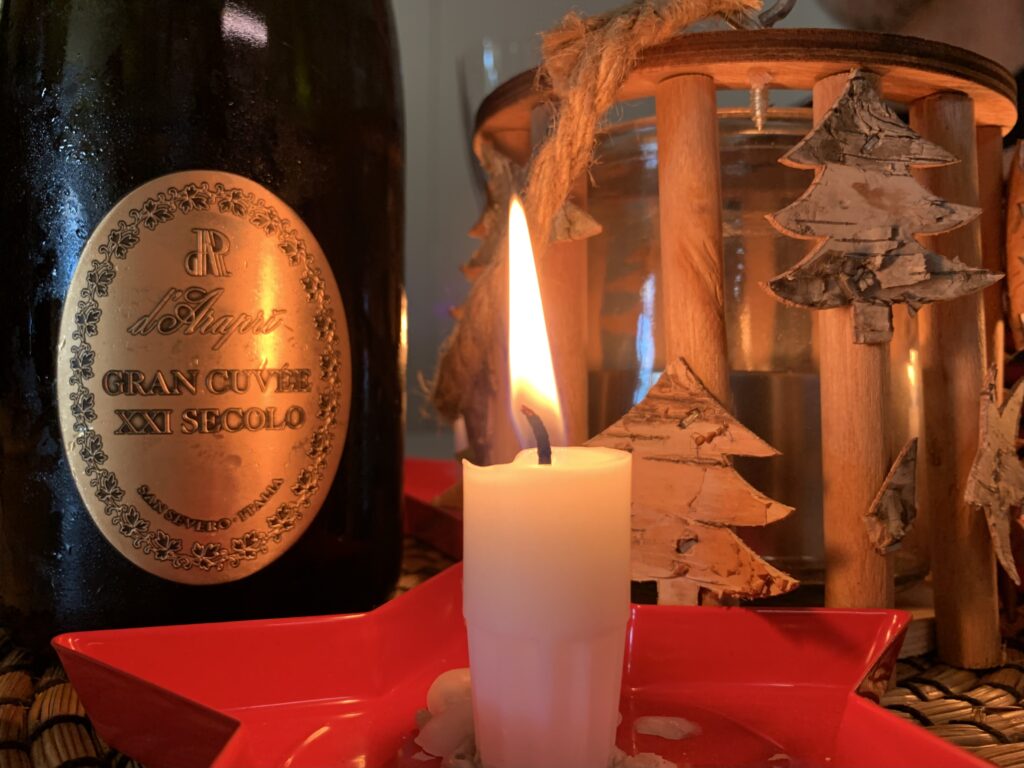
We should just slip in our special occasion wine from Puglia. We make a habit of only drinking local Pugliese wine when we are at home. The exception is Prosecco which we need for our spritz.
On special occasions we love d’Arapri’s Gran Cuvée. From Gargano.
Great wine guide to Puglia’s wines! I haven’t tried any yet, but I think Susumaniello, Primitivo, and the white varieties are more to my taste. But I would definitely try as many as I can when I visit Puglia.
Top – a treat to look forward to!
You make it hard not to consider Puglia for a visit! I always associated Italian wine with the north of the country. Great to know that there’s a lot more to learn and explore in the South!
Grazie. Indeed. Many have heard of and drank primitivo and negroamaro, for example. But it surprises many to find out Puglia is Italy’s 2nd top wine producing region. Although you don’t do too badly over on your side of the Adriatic as far as European wine producers!